Split Apple Applique: A Seller's Review for Etsy Shops
As an embroidery business owner, I am constantly scanning digital marketplaces for designs that offer both aesthetic appeal and commercial viability. When I stumbled upon the Split Apple Applique in the Forest category on Creative Fabrica, my immediate instinct was to evaluate its potential for my small shop. For any Etsy seller or craft entrepreneur, adding a new machine embroidery design to the library isn't just about liking the image; it is about visualizing the finished product, calculating production time, and determining if it will convert browsers into buyers.
This review breaks down the Split Apple Applique from the perspective of someone who stitches daily, sells regularly, and understands the nuances of turning a digital embroidery file into a profitable handmade product.
Visual Personality and Market Fit
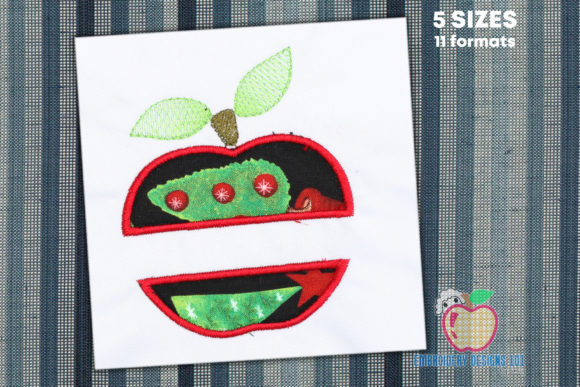
The title itself suggests a specific style. "Split Apple" implies a cross-section view, which often lends itself to a modern, botanical, or rustic aesthetic rather than a cartoonish one. In the current market, there is a strong demand for nature-inspired motifs that feel organic and grounded. This design fits perfectly into the "cottagecore" trend that continues to dominate home decor and apparel sectors.
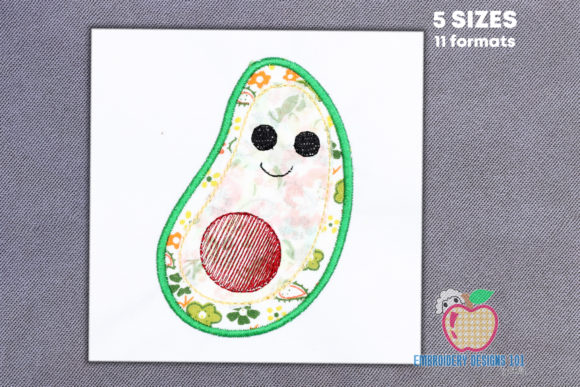
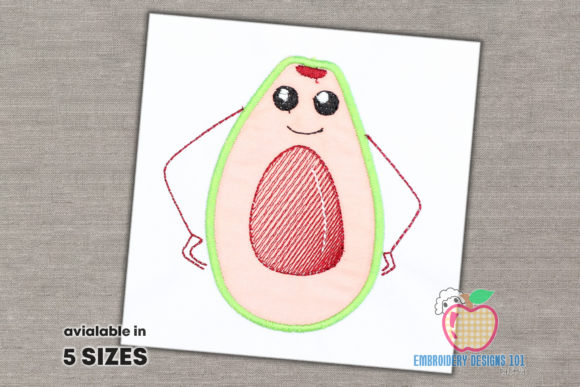
Because this is an applique design, it offers texture and dimension that flat satin stitch designs cannot match. The layering of fabric adds a premium feel to any item. For a craft business, this means you can charge a higher price point. Customers perceive applique as more labor-intensive and artistic, even if the machine does the heavy lifting. The "Forest" categorization suggests earthy tones—greens, reds, and browns—which are timeless and not limited to a single holiday season, making it a year-round seller.
Ideal Products for the Split Apple Design
When planning my next collection, I look for versatility. The Split Apple Applique seems incredibly adaptable for various substrates. Here is how I envision using this embroidery file across different product lines:
- Tote Bag Design: A canvas tote with a large split apple applique on the front is a staple item. The texture of the applique stands out beautifully against plain cotton, making it perfect for grocery shoppers or students.
- Sweatshirt Embroidery: Placing this design on the left chest of a crewneck or centered on a hoodie creates a boutique-style look. It elevates basic apparel into something custom and desirable.
- Kitchen Towel Embroidery: Waffle weave or flour sack towels are bestsellers in the home decor niche. An apple motif is naturally suited for the kitchen, appealing to those who love farmhouse styles.
- Baby Embroidery: Soft fabrics like muslin or fleece blankets featuring this design make excellent baby shower gifts. The organic theme resonates well with parents looking for natural aesthetics.
- Embroidered Patch: If stitched on twill with a merrowed edge, this could be sold as an iron-on patch, allowing customers to customize their own jackets or bags.
Additionally, this design would work wonderfully on aprons, pillow covers, and even caps, provided the hoop size accommodates the curvature. The key is to imagine the custom apparel or home good sitting on a shelf; does the design make it look professional? In this case, the answer is a resounding yes.
Commercial Viability and Buyer Appeal
Why would a customer choose a product featuring the Split Apple Applique over a generic print? The answer lies in the tactile quality. Online shoppers crave items they can almost feel through the screen. An applique design photographs exceptionally well because the shadows created by the fabric layers add depth to product photography.
For an Etsy seller, this translates to better click-through rates. When you create a printable mockup or stage a real photo, the texture of the apple slice draws the eye. It makes the item feel giftable and memorable. Whether it is a personalized gift for a teacher or a treat for oneself, the design communicates care and quality. It avoids the "cheap" look that sometimes plagues mass-produced goods, positioning your brand as a creator of high-end commercial embroidery products.
Practical Notes for Production
Before listing this item in your shop, there are critical steps every responsible seller must take. While the product description notes that the design comes with multiple embroidery file formats and uses color changes for steps, specific technical details are vital for a smooth production run.
First, always perform a test stitch-out. Appliance designs require precise placement of the tack-down stitch and the cover stitch. You need to verify the stitch density to ensure the fabric doesn't pucker, especially on lighter materials like baby blankets or kitchen towels. Check the registration; if the covering fabric shifts even slightly, the raw edges of the underlay might show, ruining the professional look.
You must also confirm the hoop size required. The description does not specify exact dimensions, so visit the Creative Fabrica product page to ensure your machine can accommodate the design without re-hooping, which can lead to alignment issues. Similarly, review the recommended thread colors. While you can customize these to match your brand palette, seeing the suggested scheme helps visualize the final contrast between the apple flesh, skin, and seeds.
Stabilizer choice is another non-negotiable factor. For applique on stretchy fabrics like sweatshirts, a cut-away stabilizer is usually best to prevent distortion over time. On woven towels, a tear-away might suffice, but testing is the only way to be sure.
Licensing and Final Thoughts
One of the most important aspects of using designs from Creative Fabrica is understanding the license. The description hints at usage terms ("Please do not col..."), likely referring to colorizing or redistributing the file itself. As a seller, you must read the full license agreement on the product page to confirm you have rights for commercial embroidery sales. Typically, these licenses allow you to sell the physical finished product unlimited times, but restrictions may apply to selling the digital file or using it on certain print-on-demand platforms.
In conclusion, the Split Apple Applique appears to be a strong contender for any embroidery portfolio focused on nature, home, and lifestyle goods. Its versatility allows it to bridge the gap between seasonal decor and everyday fashion. By paying attention to the technical execution—testing tension, choosing the right stabilizer, and photographing the texture—you can turn this single machine embroidery design into a cornerstone of your small batch apparel or home decor collection. For the creative entrepreneur looking to expand their catalog with something rustic yet refined, this design is worth the investment.