Spiders Web: A Designer's Review for Halloween Craft Fairs
As an embroidery designer preparing for the upcoming weekend craft fair circuit, my table strategy is everything. I need products that stop customers in their tracks, convey quality instantly, and are practical enough to produce in batches without losing my mind. This year, I am evaluating a specific machine embroidery design titled Spiders Web. The product description promises a "beautiful old traditional style Halloween design" optimized for a 4X4 hoop. Before I commit to stitching this onto dozens of items, I need to break down exactly how this digital embroidery file performs in the real world of handmade sales.
First Impressions and Aesthetic Appeal
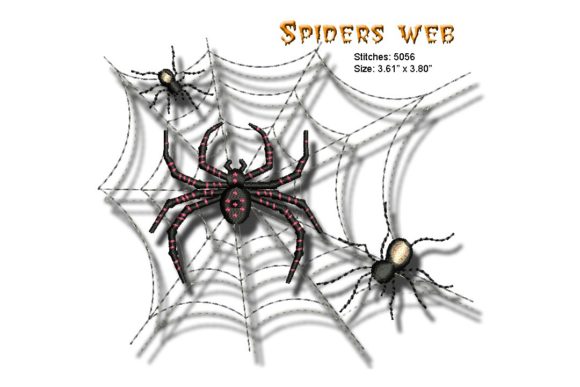
The moment I loaded the preview of Spiders Web, the vibe was immediately clear. This is not a cartoonish, goofy spider graphic often seen in mass-market retail. Instead, it leans heavily into a rustic, farmhouse aesthetic with a touch of vintage elegance. The "old traditional style" mentioned in the description translates to clean lines and a classic silhouette that feels timeless rather than trendy. For a craft fair product, this is crucial. Customers at handmade markets are often looking for decor that fits a cozy, autumnal home environment, not just a plastic decoration they will throw away on November 1st.
The design feels decorative and slightly premium. It has the potential to look sophisticated on dark fabrics, offering a stark, elegant contrast that screams "high-end boutique" rather than "discount bin." Whether you are an Etsy seller creating printable mockups or a booth maker arranging physical samples, this design offers a visual appeal that suggests careful craftsmanship. It strikes a balance between festive and functional, making it versatile for a wide range of handmade products.
Product Versatility and Sales Potential
The true test of any embroidery file is its adaptability across different substrates. With a 4X4 hoop constraint, Spiders Web is perfectly sized for small to medium applications. Here is how I see it performing on various items for my booth:
- Tote Bags and Market Bags: This is likely the strongest contender. A tote bag design needs to be recognizable from a distance. Placed centrally on a canvas tote, the traditional web pattern creates an instant focal point. It works exceptionally well on natural cotton or black canvas.
- Kitchen Linens: For tea towel embroidery or apron hems, this design shines. The 4X4 size fits perfectly on the lower corner of a flour sack towel or the bib of an apron. An apron embroidery featuring this motif adds a whimsical yet classy touch to holiday cooking gear.
- Patches and Pouches: If stitched onto twill or felt, this becomes a fantastic embroided patch that customers can iron onto jackets. It also scales down well for small fabric pouches used for jewelry or treats.
- Caps and Pillows: While possible, these require more caution. On a cap, the curved surface can distort the web if the digitizing isn't tight. On pillow covers, it serves as a lovely accent but might be too small to be the sole design element unless paired with text.
For online listings, the clarity of Spiders Web means it will photograph beautifully. High-contrast images of this design on textured fabrics make for compelling printable mockups and social media content, driving traffic to your small shop product pages.
Production Realities and Practical Considerations
From a production standpoint, efficiency is key when preparing for a busy season. Is Spiders Web repeatable? Yes, provided you manage your stitch density and thread changes. Since the description highlights a traditional style, I anticipate a moderate stitch count, which is excellent for batch production. However, there are critical factors to consider before running a full production cycle.
First, consider the fabric texture. Traditional web designs often rely on fine lines to create the illusion of delicate silk. If you stitch this on a highly textured waffle weave or a looped terry cloth towel, those fine details may get lost. For the best finished product, stick to smooth weaves like cotton duck, linen, or high-thread-count poly-cotton blends.
Second, pay attention to thread colors. While black on orange is the classic Halloween trope, do not limit yourself. Try metallic gold or silver threads on navy or charcoal fabrics to elevate the design into something suitable for year-round gothic decor. Conversely, using variegated threads could muddy the clean lines of the traditional style. Simplicity often sells better at craft fairs; let the shape of the web do the talking.
Careful-Use Notes for Designers
To ensure every item leaving your booth meets professional standards, keep these technical warnings in mind:
- Dense Stitch Areas: Check the center of the web. If the digitizer packed too many stitches into the hub, it may cause puckering, especially on lighter fabrics.
- Small Details: Inspect the outer edges of the web. Tiny connecting stitches can break easily during washing if not properly secured or if the fabric is too loose.
- Curved Surfaces: As mentioned, applying this to caps requires a strong stabilizer and potentially a different underlay strategy to prevent the web from looking warped.
- Dark Fabric: Ensure the design includes enough coverage so the base fabric doesn't peek through gaps, which can look unprofessional.
Maximizing Buyer Engagement and Brand Value
Ultimately, Spiders Web is more than just a pattern; it is a tool for brand building. When displayed correctly on a booth table, it signals to customers that you specialize in thoughtful, curated commercial embroidery. It enhances your booth display strength by adding a cohesive thematic element without being overwhelming. Customers engage more deeply with products that feel like they have a story or a specific aesthetic purpose, and this traditional style delivers that narrative.
By offering this design on diverse items, you increase the perceived value of your brand. A customer might come for a tea towel but leave with a matching tote and a patch, seeing the consistency in your design assets. This cross-selling opportunity is vital for maximizing revenue per square foot at a crowded market.
Final Designer Recommendations
Before you list this as a ready-to-ship item or sell it as a digital embroidery file, you must do your due diligence. My golden rule is always to test the design on scrap fabric first. Do not skip this step. Verify the hoop size compatibility with your specific machine model, as 4X4 can vary slightly between brands. Confirm that you have the correct stabilizer weight to support the design without stiffness.
Furthermore, create at least one real physical mockup to use in your marketing photos. Digital renders are good, but nothing sells a handmade product like seeing the actual thread sheen and fabric drape. Finally, and most importantly, review the licensing terms. The description mentions "commercial embroidery," but always double-check if there are restrictions on the number of finished goods you can sell or if attribution is required. Never assume; always verify the license before investing time and materials.
In conclusion, Spiders Web appears to be a robust, versatile asset for the Halloween season. Its traditional styling offers a sophisticated alternative to novelty graphics, making it a strong candidate for high-margin handmade goods. With careful attention to fabric choice and production details, this design can become a staple in your autumn collection, delighting customers and boosting your craft fair sales.