Review: Cartoon Bunny Applique for Kids
As a designer who spends more time staring at stitch maps than most people care to admit, I approach every new machine embroidery design with a mix of curiosity and skepticism. We've all been there: you download a cute file, load it up, and halfway through the stitching process, you realize the density is too high for the fabric or the color stops are a nightmare. That is why I took a close look at the Cartoon Bunny Applique for Kids before committing it to any client projects or holiday inventory. This isn't just about whether it looks cute on a screen; it is about how it performs as a finished product in the real world.
First Impressions and Design Personality
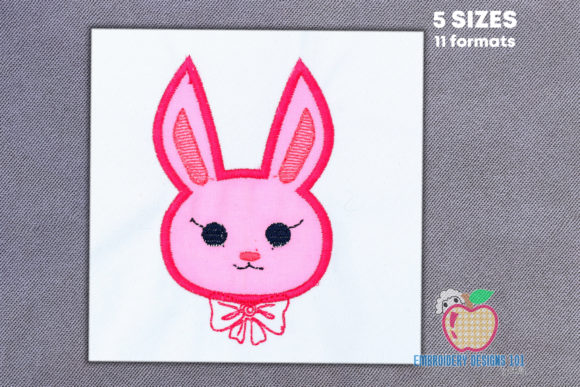
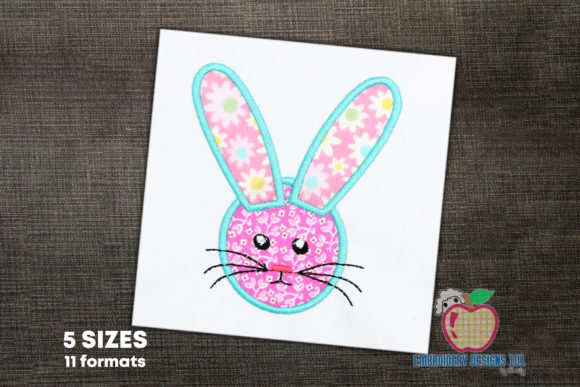
The moment you pull up the preview for this applique design, the mood is immediately clear. It leans heavily into that playful, whimsical aesthetic that defines the Easter season without feeling overly cliché. The shapes are rounded and friendly, which is crucial when your target audience involves children. In embroidery, sharp corners can sometimes cause thread breaks or puckering if not digitized perfectly, but the soft contours here suggest a smoother stitching experience.
What stands out most is the layout. It feels balanced, with enough negative space to let the appliqué fabric shine while maintaining structural integrity through the surrounding stitches. For a designer, this balance is key. If a design is too dense, it becomes stiff and uncomfortable on wearables. If it is too sparse, it lacks durability. This bunny seems to hit a sweet spot, making it a versatile asset for everything from custom apparel to home decor.
Real-World Application: The Tote Bag Test
To truly evaluate this file, I imagined a specific scenario: preparing a run of custom tote bags for a local boutique's spring collection. Tote bags are notorious for being tricky; the canvas is thick, often textured, and requires a design that can hold its own against a heavy background. The Cartoon Bunny Applique for Kids fits this use case exceptionally well.
Because this is an appliqué style, it adds a layer of texture that flat stitching simply cannot achieve. When stitched onto a natural cotton canvas, the contrast between the fabric of the bunny and the bag itself creates a high-end, handmade look. Customers today value that tactile quality. They want to touch the product. A simple fill stitch might get lost on a coarse weave, but the layered nature of this design ensures visibility and depth. It transforms a standard grocery tote into a small shop product that commands a higher price point.
Beyond bags, I can see this working beautifully on sweatshirt embroidery. The softness of fleece pairs wonderfully with appliqué, provided you manage your stabilizer correctly. For baby embroidery, such as on a onesie or a receiving blanket, the lack of excessive scratchy stitching on the back (a common benefit of well-digitized appliqué) makes it a comfortable choice for sensitive skin.
Technical Considerations for the Stitcher
While the visual appeal is strong, we need to talk about the technical execution. The product description notes that steps are separated by color changes. This is a double-edged sword. On one hand, it gives you control over the thread palette, allowing you to match specific brand colors or seasonal trends. On the other hand, frequent color stops can slow down production if you are running a high-volume craft business.
For those using this as a digital embroidery file for commercial purposes, efficiency matters. If you are an Etsy seller fulfilling orders during the rush before Easter, you do not want a design that requires six different thread changes for a single small motif. However, for personalized gifts or low-volume boutique runs, the color separation allows for customization that clients love.
There are also fabric constraints to consider. While this design shines on stable materials like denim, twill, and canvas, caution is advised with stretchy knits or very thin fabrics. The weight of the appliqué fabric combined with the satin stitch borders could cause distortion if the stabilizer isn't up to the task. Always test on scrap fabric first. I recommend using a cut-away stabilizer for garments that will be washed frequently, ensuring the design doesn't pucker over time.
Navigating Hoop Sizes and Details
One practical limitation to keep in mind is the hoop size. While the description mentions compatibility with multiple machines, the physical dimensions of the bunny will dictate your placement options. If you are attempting to place this on a curved surface like a cap, ensure the design fits within your cap frame without hitting the brim or the seams. Small details, like the eyes or inner ear features, need to be inspected closely. If these elements are too tiny, they may not stitch out clearly on textured towels or rougher fabrics. A quick test stitch on your intended material is non-negotiable here.
Commercial Value and Brand Consistency
From a business perspective, the Cartoon Bunny Applique for Kids offers solid potential for increasing perceived value. Handmade products thrive on uniqueness. Using a pre-made embroidery file is efficient, but finishing it with high-quality appliqué fabric elevates it from "homemade" to "artisan." This distinction builds customer trust and encourages repeat business.
For commercial embroidery projects, consistency is king. Because the steps are defined by color changes, you can replicate the exact same look across hundreds of items, ensuring your brand identity remains consistent whether you are selling embroidered patches, pillow covers, or tea towels. Just remember to verify the licensing terms. Some designers restrict the number of finished items you can sell, while others offer unlimited commercial use. Never assume; always check the license before listing your finished product online.
Final Verdict for Makers and Designers
In the landscape of seasonal design assets, finding a file that balances cuteness with technical reliability is rare. The Cartoon Bunny Applique for Kids delivers on both fronts. It brings a cheerful, festive energy that fits perfectly into spring collections, yet it maintains the structural soundness required for durable goods.
My advice? Don't just rely on the mockup. Create a printable mockup to visualize placement, but then get the needle moving on some scrap fabric. Check your thread color contrast—sometimes a light thread on a dark fabric needs a denser underlay to prevent show-through. Test it on both light and dark backgrounds to see how the silhouette holds up. If you take these precautions, this design can become a staple in your library, ready to elevate your next holiday embroidery project or everyday custom order. It is a reliable tool for anyone looking to add a touch of handmade charm to their repertoire.