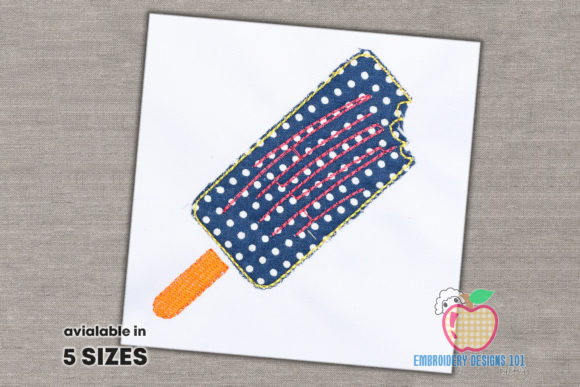
Lolipop: A Sweet Embroidery Design for Small Business Branding
As an embroidery designer who has spent years digitizing and reviewing files for commercial use, I approach every new machine embroidery design with a critical eye. It is not just about whether a graphic looks cute on a screen; it is about how that graphic translates into thread, holds up on fabric, and serves the brand identity of a small business. Today, I am reviewing Lolipop, a dessert-themed digital file that promises to add a playful touch to branded merchandise. While the product description clarifies that this is a digital embroidery file and not a physical patch, its potential application in the real world of custom apparel and handmade goods is significant.
First Impressions: Playful Yet Professional
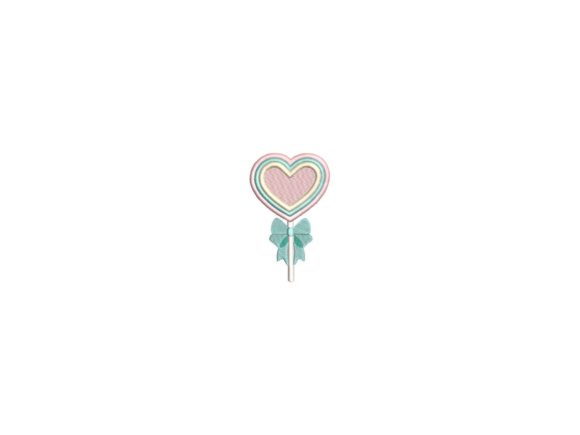
The title Lolipop immediately sets a tone. It suggests something sweet, nostalgic, and friendly. For businesses in the dessert category, such as bakeries, ice cream shops, or candy stores, this visual personality is spot on. However, the true test for a professional designer is determining if "playful" can also mean "professional." In my initial assessment, Lolipop appears to strike a balance between whimsical charm and clean lines, which is essential for brand identity. A design that is too messy can look amateurish on a uniform, while one that is too rigid loses the handmade appeal. This design seems to offer a rustic yet modern aesthetic that could work well for creative studios, florists, or pet brands looking to soften their image without sacrificing quality.
Real-World Applications for Small Business Merch
When considering where to deploy Lolipop, the possibilities for small business merch are extensive. Imagine a local café wanting to upgrade their staff uniforms. Applying this design as a chest logo accent on aprons creates an instant connection with customers. Apron embroidery requires durability and clarity, and if the stitch count and density are managed well, this dessert motif can become a recognizable mark of quality service.
Beyond uniforms, Lolipop shines as an embroidered patch concept. Many boutique owners and Etsy sellers are moving away from direct embroidery on delicate garments and toward iron-on or sew-on patches. This allows for greater flexibility. You could produce a run of patches featuring Lolipop to sell as add-ons or to include as customer gifts with every purchase. Furthermore, tote bag design is a booming market for eco-conscious brands. A tote bag featuring this sweet icon could serve as a walking advertisement for a bakery or a craft fair vendor.
For those in custom apparel, the design could be scaled down for cap embroidery. A small, colorful lollipop on the side or front of a dad hat adds a subtle pop of personality that appeals to younger demographics. Whether used on work shirts, event merch, or product packaging accents, the key is consistency. Using Lolipop across various design assets helps build visual recognition, making your finished product feel cohesive and thoughtfully curated.
Technical Considerations and Potential Pitfalls
While the artistic merit of Lolipop is promising, a professional review must address the technical realities of machine embroidery. Not all digital files are created equal, and there are specific scenarios where this design should be used with caution.
- Small Patch Sizes: If you intend to shrink Lolipop for a tiny label or a small pocket logo, you must verify the stitch density. High density in a small area can lead to puckering or thread breaks, ruining the fabric texture and the look of the item.
- Curved Surfaces: Applying this design to cap fronts requires careful hooping. The curvature of a cap can distort circular or wide designs. Ensure the digitizing accounts for pull compensation to keep the lollipop shape intact.
- Thread Colors: Dessert themes often rely on vibrant, contrasting colors. When working on dark uniforms, you may need to adjust the underlay or add a backing to prevent the garment color from bleeding through and dulling the bright threads of the Lolipop.
- Frequent Washing: Items like aprons and work shirts undergo rigorous cleaning. Check if the design uses satin stitches or fill stitches appropriately to ensure longevity. Fine details and tiny lettering, if present, may degrade faster than bold outlines.
It is crucial to remember that the product listing states this is a digital file requiring an embroidery machine. It does not specify exact stitch counts, file formats, or hoop sizes. Therefore, before committing to a large production run, you must download the sample or purchase the file to inspect these details personally.
Enhancing Brand Identity and Customer Trust
In the competitive landscape of handmade products and local commerce, perception is everything. A well-executed embroidery job signals professionalism. When a customer sees a crisp, clean Lolipop emblem on a tote bag or a barista's apron, it subconsciously reinforces the idea that the business cares about quality. This attention to detail builds customer trust and increases the perceived value of your goods.
Moreover, consistent use of a signature design like Lolipop aids in brand recognition. Over time, that simple sweet treat becomes synonymous with your shop. It transforms a generic item into a piece of commercial embroidery art that people want to wear and display. For Etsy sellers and crafters, this differentiation is vital. It moves your offerings from "just another product" to a branded experience that encourages buyer engagement and loyalty.
Practical Notes for the Embroidery Designer
Before you load Lolipop onto your machine for a client project, I recommend following this checklist to ensure the best results:
- Test in Black and White First: Convert the design to a monochrome preview to check contrast and definition without the distraction of color.
- Verify Scalability: Confirm that the design retains its integrity at the smallest size you plan to use, especially for patches.
- Review Thread Contrast: Ensure your chosen thread colors stand out against the intended fabric background.
- Inspect Spacing: Look for areas where stitches might be too close together, which can cause thread bunching.
- Confirm Hoop Size: Since the listing does not specify dimensions, measure the design in your software to ensure it fits your available hoops.
- Test on Real Fabric: Always run a sample on the actual material you will be using for the final product, as fabric texture greatly affects outcome.
- Use Proper Stabilizer: Select a stabilizer that matches the weight and stretch of your fabric to prevent distortion.
- Create a Printable Mockup: Generate a printable mockup to show your client exactly how the design will look on their specific garment before stitching begins.
- Compare Assets: Place Lolipop beside your other logos and graphics to ensure visual harmony across your brand suite.
- Check Licensing: Finally, confirm the commercial licensing terms included with the file to ensure you are authorized to use it for resale or branded merchandise.
In conclusion, Lolipop offers a delightful opportunity for businesses to inject some sweetness into their branding. With careful technical execution and strategic placement, this machine embroidery design can elevate everything from staff uniforms to retail packaging. Just remember to do your due diligence on the file specifics and test thoroughly to ensure your handmade product or commercial line delivers the premium quality your customers expect.