Carol Brass Pocket Design: A Craft Fair Review
As an embroidery designer preparing for a busy weekend at the local artisan market, my table needs to tell a story instantly. Customers walk by quickly, and their eyes need to catch something that speaks to them before they even stop walking. Today, I am reviewing the Carol Brass Pocket Design to see if it earns a spot on my best-selling rack. This isn't just about whether the stitches look good; it is about whether this machine embroidery design can turn a blank piece of fabric into a craft fair product that someone feels compelled to buy.
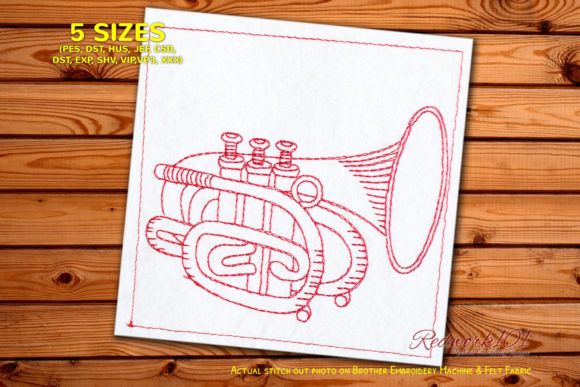
The first impression of the Carol Brass Pocket Design is one of classic charm with a touch of musical nostalgia. Given its category in Music, it immediately evokes feelings of band uniforms, marching memories, and vintage aesthetics. It feels less like a modern, abstract graphic and more like a traditional emblem. For a booth display, this is gold. It appeals to a specific niche—band parents, music teachers, and former musicians—while maintaining a decorative quality that fits well within a general home decor section. The design strikes a balance between bold and elegant, making it versatile enough for various handmade products.
Visual Impact on Market Products
When visualizing this design on my display table, the Carol Brass Pocket Design shines brightest on items that mimic a uniform or a functional accessory. My top choice for this file would be a sturdy canvas tote bag design. Placing the embroidery on the front pocket of a natural or navy tote creates an instant "collegiate" or "squad" vibe that is very popular right now. The optional box stitch mentioned in the description adds a framed look that elevates the perceived value, making the bag look like a premium boutique item rather than a generic craft.
Beyond bags, this design is a strong contender for apron embroidery. A black or charcoal apron with the brass motif stitched in gold or antique brass thread colors would be a standout seller for music instructors or band boosters selling baked goods at school events. Similarly, tea towel embroidery offers a lower price point entry for customers. A set of two towels featuring this motif could be marketed as a perfect gift for a band director during the holidays. The design also translates well to an embroided patch. If I hoop a piece of twill and stitch this out, I can cut it out and sell it as an iron-on or sew-on patch, which is a fantastic small shop product for customers who want to customize their own jackets or backpacks.
Production Practicality for the Busy Seller
For an Etsy seller or a craft fair vendor, time is money. The practicality of the Carol Brass Pocket Design lies in its likely structure. While I do not have the exact stitch count or file format details in front of me, designs in this style typically rely on satin columns and fill stitches that are robust. However, production speed depends heavily on the stitch density. If the design is too dense, it may cause puckering on lighter fabrics like linen tea towels. Conversely, if it is too light, it might not cover dark fabric well.
One critical note from the product description is that the outer box stitch is optional and often a different color. This is a crucial detail for batch production. As a producer, I need to decide if I want to include that box for every single item. Skipping the box saves thread changes and machine time, which is vital when trying to churn out fifty tote bags before a Saturday morning market. However, including the box might define the shape better on textured fabrics. I would recommend running a test on scrap fabric to see if the design holds its clarity without the border before committing to a full production run.
Navigating Fabric and Hoop Challenges
Every experienced embroiderer knows that the fabric texture can make or break a design. The Carol Brass Pocket Design likely contains details that represent instrument valves or sheet music elements. On thick fabrics like towel loops or heavy denim, these tiny details might get lost if the stabilizer isn't up to the task. I strongly advise using a cut-away stabilizer for garments that will be washed frequently, like aprons and shirts, to prevent the design from distorting over time.
Curved surfaces present another challenge. If you plan to put this on caps, remember that the hoop size must accommodate the curve of the brim or front panel. Small lettering or intricate lines in the brass instrument illustration could bunch up on a curved surface if the tension isn't perfect. Furthermore, if you are stitching on dark fabric, ensure your thread colors have enough contrast. A dark bronze thread on a black cap will disappear; you might need to swap to a brighter gold or add a underlay stitch to pop the design against the background.
Maximizing Sales and Brand Consistency
In terms of marketing, the Carol Brass Pocket Design offers excellent potential for creating a cohesive brand look. If you are an Etsy seller specializing in music-themed gifts, using this design across multiple product types—pillow covers, market bags, and pouches—creates a recognizable collection. When customers see the same high-quality motif on different items, it reinforces the idea of a professional finished product rather than a hobbyist experiment.
Photography is another area where this design excels. Because it likely has a defined shape (especially with the optional box), it photographs well for printable mockups and online listings. Clear, crisp images of the embroidery on a neutral background can drive clicks. For physical booth displays, grouping items by color scheme—for example, all navy items with gold stitching—creates a visually striking wall that draws people in. The design acts as a focal point that stops the scroll on social media and stops the foot traffic at the fair.
Final Designer Recommendations
Before listing the Carol Brass Pocket Design as a commercial embroidery asset or selling finished goods, there are essential steps to take. First, always check the licensing terms of the digital embroidery file. Ensure you have the rights to sell physical items made with this design, as some designers restrict commercial use. Second, create at least one real mockup. Do not rely solely on digital previews. Stitch it out on the actual fabric you intend to sell to check for registration issues or thread breaks.
Finally, consider your audience. Is this for a high-end boutique or a fun school fundraiser? Adjust your material choices accordingly. For a premium feel, use high-thread-count cotton for pillow covers. For a rugged, useful feel, use heavy canvas for totes. The Carol Brass Pocket Design is a versatile asset in the Music and Embroidery world, but its success depends on your attention to detail in execution. By respecting the limitations of the fabric, choosing the right stabilizer, and presenting the item with confidence, this design can become a staple in your inventory, bringing both artistic satisfaction and financial return to your handmade business.