Auckland New Zealand Temple Redwork Review
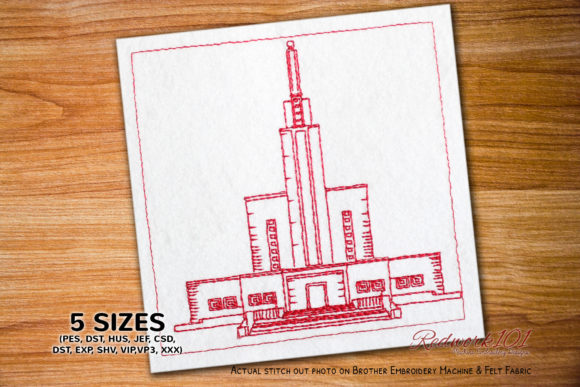
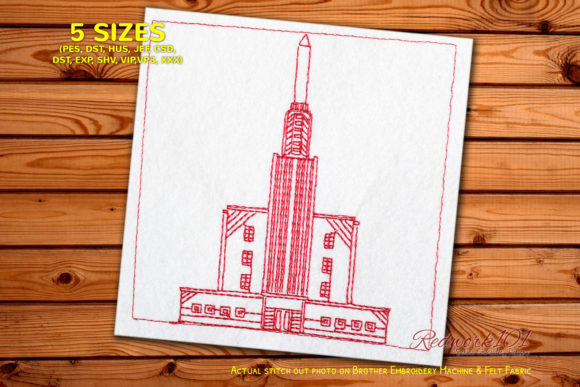
As I spread out my samples on the folding table in preparation for this weekend's craft fair, my eyes immediately drifted to the Auckland New Zealand Temple Redwork design. In the world of commercial embroidery, finding a piece that balances spiritual significance with marketable aesthetics is a rare win. This isn't just another generic icon; it carries a specific gravity that appeals to a dedicated niche while maintaining the clean lines necessary for a successful handmade product. My initial impression is one of elegant simplicity. The redwork style, traditionally known for its single-color stitching, offers a rustic yet premium feel that fits perfectly with the current trend toward minimalist and farmhouse decor. It feels decorative without being overwhelming, making it a versatile asset for any boutique maker looking to expand their design assets.
Visual Impact and Booth Display Strategy
When setting up a booth, visual hierarchy is everything. Customers walking the aisles of a craft fair make split-second decisions based on what catches their eye from three feet away. The Auckland New Zealand Temple Redwork excels here because of its clear silhouette. Unlike complex multi-color designs that can look muddy from a distance, this redwork stands out with bold definition. I imagine displaying this on a crisp white linen tote bag design or a natural canvas market bag. The contrast between the classic red thread and the neutral fabric creates an immediate focal point. It signals quality and intentionality, two traits that Etsy seller customers and fair-goers actively seek.
For those selling small shop product lines, consistency is key. This design allows for a cohesive collection. You could run it on a series of tea towels, aprons, and pillow covers, creating a "Temple Collection" display that tells a story. The fact that it falls under the Religion category means it will resonate deeply with specific buyers who are often looking for meaningful gifts that reflect their faith. However, the aesthetic is broad enough that even those appreciating architectural line art might pick it up as a piece of New Zealand-inspired decor. The emotional connection drives the sale, but the visual clarity seals the deal.
Product Versatility and Application
The true test of any machine embroidery design is how well it translates across different substrates. I have evaluated where the Auckland New Zealand Temple Redwork would perform best for a craft fair product lineup:
- Tote Bags and Market Bags: This is the strongest contender. The flat surface allows the design to shine without distortion. It makes for an excellent everyday carry item that subtly displays faith.
- Apron Embroidery: Placed on the bib or the lower skirt of a kitchen apron, this design adds a touch of reverence to a functional item. It works particularly well for customers who enjoy hosting or cooking for church gatherings.
- Tea Towel Embroidery: Redwork is historically tied to kitchen linens. Using this design on waffle weave or flour sack towels creates an instant heirloom feel. It is a low-cost entry point for customers who want a piece of the collection without spending too much.
- Embroidered Patches: If you offer iron-on or sew-on patches, this design is ideal. The defined edges of the temple structure translate well to smaller scales, provided the stitch density is managed correctly.
- Caps and Hats: While possible, curved surfaces require careful hooping. The architectural lines of the temple must remain straight, so this is better suited for structured caps rather than unstructured beanies.
- Pillow Covers: A large version of this design on a throw pillow makes a statement piece for a living room or bedroom, appealing to those wanting to incorporate their beliefs into their home decor.
For digital sellers, creating a printable mockup of this design on various textures is crucial for online listings. Showcasing the Auckland New Zealand Temple Redwork on dark fabric versus light fabric in your photos can help customers visualize the final result, increasing conversion rates for your digital embroidery file sales.
Production Realities and Technical Considerations
Before committing to a batch production run, we must address the technical realities of turning this embroidery file into a finished product. The product description notes that "The Box Stitch shown in picture is optional." This is a critical detail for production efficiency. If you are running hundreds of units for a busy market season, skipping the outer box can save significant machine time and thread, provided the temple structure remains recognizable. However, if the box frames the design elegantly, it might be worth the extra minutes for a premium look. You must decide based on your specific hoop size constraints and production timeline.
Furthermore, the description mentions that "The color of outer Box is different color in most of the designs unless it is part of the design itself, you can skip t." This implies variability in how the file was digitized. As a professional, I strongly advise checking the actual stitch file on your machine before loading it for a full run. Verify the thread colors assigned in your software. If the box is programmed as a separate color block, you can easily edit it out or change it to match the redwork if you prefer a monochromatic look. Never assume the digital preview matches the physical stitch-out exactly.
There are specific "careful-use" notes to consider for this type of architectural design:
- Stitch Density: Redwork typically uses running stitches, which are light. However, if there are fill areas in the spires or base, ensure the stitch density isn't too high for lightweight fabrics like tea towels, which can pucker easily.
- Fabric Texture: Avoid using this on highly textured towels (like thick terry cloth) unless you use a sufficient layer of cut-away stabilizer. The fine lines of the temple architecture can get lost in the loops of rough fabric.
- Small Details: Check the spacing between the spires. If scaling the design down for a pocket or a small pouch, ensure the details do not merge together. Clarity is paramount for religious symbols.
- Dark Fabric: Red thread on black or navy fabric looks stunning but requires high-quality thread with good sheen to prevent it from looking dull. Always test on a scrap piece of your actual inventory fabric first.
Maximizing Value and Buyer Engagement
The Auckland New Zealand Temple Redwork does more than just decorate a product; it elevates the perceived value of your brand. When a customer sees a well-executed, meaningful symbol, they associate that care with your entire booth. It suggests that you are not just churning out generic items but curating products with purpose. This builds trust and encourages higher price points. For the Etsy seller, this design offers a unique keyword angle, targeting both local New Zealand pride and global religious communities.
To maximize engagement, pair the embroidered item with a small card explaining the significance of the Auckland Temple or the history of redwork. Storytelling sells. When a buyer understands the "why" behind the handmade product, they are more likely to purchase. Additionally, ensure you have confirmed the commercial licensing terms before selling. Since the prompt advises checking details not explicitly provided, do not assume the license covers unlimited physical goods. Contact the designer or check the marketplace listing to confirm you have the right to sell finished items made with this digital embroidery file.
In conclusion, the Auckland New Zealand Temple Redwork is a robust choice for the serious embroidery business owner. It bridges the gap between personal faith and public style, offering a clean, professional look that photographs beautifully and stitches efficiently. Whether you are filling orders for a local boutique or stocking your table for a weekend market, this design has the versatility and emotional resonance to become a best-seller in your Religion and Embroidery categories. Just remember to test your tension, choose your stabilizer wisely, and let the simplicity of the redwork speak for itself.